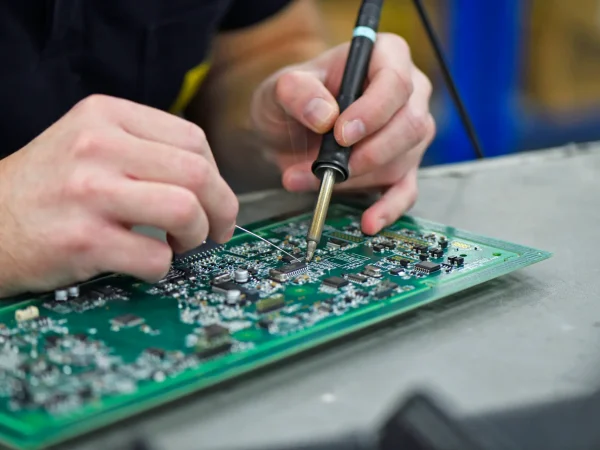
At Trizo, our new product introduction (NPI) process is designed to ensure every new assembly is validated, checked and production-ready before it enters live manufacturing.
This approach maintains throughput efficiency while guaranteeing accuracy, repeatability and high product quality from the very first batch
NPI is a crucial stage for any operation requiring fast and smooth transition from design to production. It allows engineers and operators to:
Validate new products prior to release
Configure package and programming details offline
Avoid disruptions or delays to active production lines
Maintain high throughput and process stability
Key capabilities
NPI is a crucial stage for any operation requiring fast and smooth transition from design to production. It allows engineers and operators to:
CAD/Gerber File Integration: Load project data directly to verify component types, orientations, footprints, feeder types and more before any components are placed
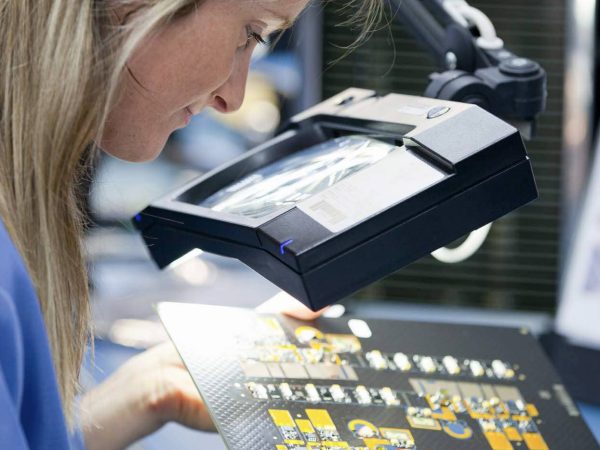
Guided Validation Workflow: After the new PCB is loaded, operators follow a structured step-by-step process to review and validate every parameter involved in the build
Error Detection & Correction: When an issue is identified, software tools allow corrections and retesting without pausing or slowing down live production
Comprehensive Checks: The system validates fiducial marks, placement coordinates, component orientation (with overlay comparison), nozzles, feeder setup and feeder controls
Flexible Adjustment Options: Operators can temporarily remove items, patterns and references as required to create the cleanest and most accurate setup
Why NPI matters
Zero-Risk Start to Production: Thorough pre-production validation ensures a smooth and error-free launch
Improved Efficiency: Offline programming and testing prevent production bottlenecks
Higher Accuracy: Early detection of setup issues reduces waste, rework and downtime
Consistent Quality: Ensures every build begins with validated parameters and a reliable process foundation
Typical applications
First-time builds of new assemblies
Engineering prototypes transitioning to volume production
Complex PCBs requiring detailed verification
High-reliability sector products with stringent validation requirements